

Moving Shipping Containers: Your Complete Guide to Container Transportation in Kenya
Let me tell you something – after fifteen years in the container business here in Kenya, I’ve seen it all. From emergency midnight deliveries to containers stuck in the mud during rainy season, moving shipping containers is both an art and a science that requires real experience.
Just last month, we had a client who needed a 40ft container delivered to a construction site in Nakuru. “It’s just a simple delivery,” they said. Two days later, after navigating flooded roads and coordinating with three different crane operators, I was reminded why container transportation isn’t as straightforward as it sounds.
If you’re planning to move a shipping container anywhere in Kenya – whether it’s from Mombasa port to Nairobi or to that remote site in Turkana – this guide will save you headaches, money, and possibly your sanity.
Why Container Transportation Matters More Than You Think
Here’s what most people don’t realize: Kenya processes over 1.4 million containers annually through Mombasa port alone. That’s a lot of steel boxes moving around the country, and each one has its own story, challenges, and requirements.
The container transportation industry in Kenya has evolved dramatically over the past decade. What used to be a simple truck-and-trailer operation has become a sophisticated logistics network. Today’s container moves involve everything from GPS tracking to specialized crane operations, and the difference between amateur and professional service can make or break your project.
I remember when container transportation was mostly about getting containers from point A to point B. Now? We’re installing container offices on rooftops, moving refrigerated containers across the country while maintaining cold chain integrity, and even relocating entire container-based shopping centers.
[Image Caption: Professional container transport operation showing a 40ft container being loaded onto a specialized trailer at Mombasa port]
The Real Deal on Container Moving Methods
Let’s get practical. There are several ways to move containers in Kenya, and choosing the wrong method can cost you big time.
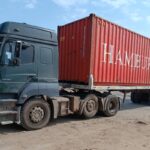
Standard Trailer Transport This is your bread-and-butter method. A specialized container chassis picks up your container and delivers it to the destination. Sounds simple, right? Well, it is – when everything goes according to plan. But what happens when your delivery site has no crane access? Or when the access road can’t handle a 40ft trailer?
I’ve seen clients book standard delivery for sites that clearly needed crane services. The result? Frustrated drivers, unhappy customers, and containers sitting on the roadside while everyone figures out plan B.
Self-Loading Trucks These are game-changers for many situations. The truck can load and unload containers without external help, making them perfect for sites without crane access. We invested in these trucks three years ago, and they’ve revolutionized our service capability.
Last year, we delivered a container office to a client in Kitale. The site had no crane access, but our self-loading truck placed that container exactly where they needed it. The client was amazed – they’d been quoted ridiculous prices by other companies who insisted on crane services.
Crane-Assisted Installation Sometimes, there’s no way around it – you need a crane. Maybe you’re placing a container on a second floor, over power lines, or in a tight space where trucks can’t maneuver. Crane services cost more, but they’re often the only solution.
We recently handled a project in Westlands, Nairobi, where a client needed a container office on their building’s second floor. The only access was through a narrow alley, over parked cars, and between buildings. Our crane operator – a guy with twenty years of experience – placed that container with inches to spare. The client later told us other companies had said it was impossible.
Planning Your Container Move (The Stuff Nobody Tells You)
Here’s where most people mess up. They think container transportation is like ordering pizza – make a call, and it shows up. Reality check: proper container moves require planning, and the details matter.
Site Assessment – Not Optional Every container move starts with a site visit. I can’t tell you how many times clients have said, “Oh, access is fine,” only for us to discover a narrow gate, soft ground, or overhead wires that make delivery impossible.
We once drove six hours to deliver a container to a site in Eldoret, only to find the access road had been washed out by recent rains. The client hadn’t mentioned that small detail. Now, we insist on recent photos or site visits for all deliveries outside major cities.
Documentation and Permits Moving containers isn’t just about the physical transport. You need proper documentation, especially for interstate transport. Weight certificates, transport permits, and route approvals aren’t just bureaucracy – they’re legal requirements that can save you from expensive delays.
Route Planning Kenya’s road network is improving, but challenges remain. Bridge weight limits, height restrictions, and seasonal road conditions all affect container transport. We use specialized route planning software, but experience matters more than technology.
The Nairobi-Mombasa highway is generally good, but side roads can be tricky. During rainy season, some routes become impassable for heavy trucks. We maintain a database of seasonal road conditions built from years of experience.
[Image Caption: Detailed route planning session showing maps and logistics coordination for a complex container delivery to a remote location]
The Crane Game – When You Need Professional Lifting
Not all container placements require cranes, but when you need one, you really need one. Crane services add complexity and cost, but they enable container placement in locations that would otherwise be impossible.
Mobile Crane Operations Mobile cranes are versatile and can access most sites. We operate several mobile cranes ranging from 25-ton to 100-ton capacity. The key is matching crane capacity to the job requirements while considering site access.
One of our most challenging jobs involved installing a container office at a school in Kisumu. The placement location was 200 meters from the nearest road access, across a playing field. We used a 50-ton mobile crane with extended reach capabilities. The students thought it was better than any TV show.
Truck-Mounted Crane Services These are cost-effective for many applications. The truck transports the container and provides lifting capability in one unit. However, they have limitations in terms of reach and lifting capacity.
Site Preparation Crane operations require proper site preparation. Ground conditions, overhead clearances, and access routes all affect crane positioning. We’ve learned to factor in everything from soft ground during rainy season to overhead power lines that aren’t marked on maps.
Understanding the Costs (And How to Control Them)
Container transportation costs vary widely based on multiple factors. Understanding these factors helps you budget accurately and avoid surprises.
Distance and Route Complexity Obviously, longer distances cost more. But route complexity matters too. A delivery to a remote site with challenging access can cost more than a longer delivery to an accessible location.
Container Size and Configuration Standard 20ft containers are generally less expensive to transport than 40ft containers. However, the difference isn’t always proportional to size. A 40ft container on a dedicated chassis might cost only 30% more than a 20ft container.
Modified containers present special challenges. We transported a container with custom door modifications that affected its structural integrity. The move required special securing methods and slower transport speeds.
Crane Requirements Crane services significantly impact costs. Factors include lifting height, reach requirements, site access, and service duration. A simple lift might take 30 minutes, while a complex installation could require several hours.
Timing and Urgency Emergency services cost more, but they’re sometimes necessary. We’ve handled urgent deliveries for clients whose projects were behind schedule. The additional cost is usually justified by the overall project benefits.
Safety First – Lessons from the Field
Container transportation involves significant safety considerations. Heavy equipment, public roads, and complex lifting operations create multiple risk factors.
Equipment Safety All our cranes undergo regular inspections and maintenance. Operators are certified and receive ongoing training. We’ve learned that cutting corners on equipment maintenance is never worth the risk.
Site Safety Every job site presents unique safety challenges. Soft ground, overhead hazards, and confined spaces require careful planning. We conduct safety briefings before every crane operation.
Last year, we were installing a container at a construction site when we discovered unmarked underground utilities. The job was delayed while we verified clearances, but avoiding potential utility strikes was worth the delay.
Weather Considerations Kenya’s weather patterns significantly impact container transportation. Rainy season affects road conditions and crane operations. High winds can make lifting operations dangerous.
We once had to postpone a container installation in Nakuru due to unexpected high winds. The client was frustrated, but safety always comes first. We completed the installation the next day under better conditions.
[Image Caption: Safety briefing in progress showing workers and crane operators discussing safety protocols before a container installation]
Regional Challenges and Solutions
Kenya’s diverse geography creates unique transportation challenges in different regions.
Mombasa Port Operations The Port of Mombasa is Kenya’s container gateway, but it’s also a complex operational environment. Port congestion, documentation requirements, and coordination with shipping lines all affect container pick-up timing.
We maintain good relationships with port authorities and shipping agents. This enables us to expedite documentation and reduce delays. However, clients need to understand that port operations aren’t always predictable.
Nairobi Metropolitan Area Urban container transportation in Nairobi presents unique challenges. Traffic congestion, height restrictions, and limited crane access in some areas require careful planning.
We’ve developed specialized routes for different areas of Nairobi. Industrial Area is generally accessible, but residential areas like Karen or Runda can be challenging for large trucks.
Upcountry Deliveries Rural deliveries often involve challenging road conditions and limited infrastructure. These factors require specialized planning and sometimes alternative transport methods.
We delivered a container to a client in Lodwar last year. The final 50 kilometers required coordination with local authorities and careful timing to avoid market day traffic. The client appreciated our attention to local conditions.
Technology and Innovation
The container transportation industry has embraced technology, improving efficiency and customer service.
GPS Tracking All our transport vehicles have GPS tracking systems. Clients can monitor their container’s location in real-time, and we can provide accurate delivery estimates. This technology also improves security and helps optimize routes.
Digital Documentation We’ve digitized most of our documentation processes. Electronic permits, digital photos, and automated reporting reduce paperwork and improve accuracy.
Communication Systems Modern communication systems enable real-time coordination between drivers, crane operators, and dispatch. This improves service reliability and problem-solving capability.
Environmental Considerations
Environmental responsibility is increasingly important in container transportation.
Fuel Efficiency We’ve invested in fuel-efficient vehicles and optimize routes to reduce fuel consumption. Route planning software helps minimize unnecessary mileage.
Emission Standards Our fleet meets Kenyan emission standards, and we’re gradually upgrading to cleaner vehicles. Regular maintenance ensures continued compliance.
Noise Considerations Urban container transportation considers noise impact on communities. We schedule noisy operations during appropriate hours and use equipment with noise reduction features where possible.
Choosing the Right Transportation Partner
Selecting a container transportation provider requires careful consideration of several factors.
Experience and Local Knowledge Kenya’s unique conditions require local experience. Providers should understand regional challenges, seasonal variations, and regulatory requirements.
Equipment Quality Modern, well-maintained equipment ensures reliable service. Inspect potential providers’ fleets and safety records. Ask about equipment age, maintenance schedules, and backup options.
Insurance Coverage Comprehensive insurance protects against potential damage or accidents. Verify coverage levels and understand policy terms. Some providers offer minimal coverage that might not protect your interests.
Customer Service Responsive customer service ensures smooth project execution. Look for providers offering real-time communication and proactive problem-solving.
Looking Forward – Industry Trends
The container transportation industry continues evolving, driven by technology and changing customer needs.
Automation Emerging automation technologies may transform container transportation. Automated guided vehicles and robotic systems are being tested in various applications.
Sustainability Environmental concerns drive development of cleaner transportation methods. Electric and hybrid vehicles may become more common in container transportation.
Digital Integration Increased digital integration streamlines operations and improves customer service. Mobile apps and online platforms provide greater convenience.
Real-World Advice for Success
After years in this business, here’s my practical advice for anyone planning a container move:
Start Planning Early Don’t wait until the last minute. Container transportation requires coordination, permits, and sometimes specialized equipment. Give yourself adequate time for proper planning.
Communicate Clearly Provide detailed information about your site, access conditions, and requirements. Photos and site visits prevent misunderstandings and delays.
Budget Realistically Container transportation costs vary based on multiple factors. Get detailed quotes that include all potential charges. Cheap quotes often exclude important services.
Consider Seasonal Factors Kenya’s weather patterns affect transportation. Plan accordingly for rainy season conditions and potential delays.
Build Relationships The container transportation industry is relationship-based. Working with reliable providers builds trust and often results in better service and pricing.
The Bottom Line
Moving shipping containers in Kenya requires expertise, proper equipment, and careful planning. Whether you’re relocating a container office in Nairobi, installing storage containers in Mombasa, or moving containers to remote locations across the country, professional transportation services ensure safe, efficient, and cost-effective solutions.
At Tedice Containers Ltd, we’ve built our reputation on delivering what we promise. Our experienced team understands Kenya’s unique challenges and provides comprehensive solutions tailored to your specific needs. We’re not just moving containers – we’re moving your business forward.
The container transportation industry will continue evolving, but the fundamentals remain constant: experience, proper equipment, and commitment to service. These principles have guided our business for over a decade, and they’ll continue shaping our future.
When you’re ready for your next container move, remember that success depends on choosing the right partner. Don’t let your project become another cautionary tale. Work with professionals who understand that your container move is more than just transportation – it’s a critical component of your business success.
For professional container transportation services across Kenya, contact Tedice Containers Ltd today. We deliver excellence, one container at a time, backed by years of experience and a commitment to your success.