
In today’s rapidly evolving construction and business landscape, modified shipping containers for sale have emerged as the ultimate solution for entrepreneurs, homeowners, and businesses seeking cost-effective, durable, and versatile structures. Whether you’re planning to establish a new office, create affordable housing, or set up a unique retail space in Mombasa, Nairobi, or anywhere across Kenya, these transformed steel giants offer unmatched flexibility and value that traditional construction simply cannot match.
The shipping container modification industry has witnessed remarkable growth, particularly in Kenya’s dynamic economy. What once served solely as cargo transport vessels have now become the foundation for innovative architectural solutions, emergency housing projects, and creative business ventures. At Tedice Containers Ltd, we’ve witnessed firsthand how these robust structures have revolutionized the way Kenyans approach construction and space utilization.
Understanding the Container Modification Revolution
The transformation of standard shipping containers into functional spaces represents more than just a trend – it’s a sustainable construction revolution that addresses Kenya’s growing demand for affordable, quick-to-deploy structures. These steel containers, originally designed to withstand harsh ocean conditions and protect valuable cargo during international shipping, possess inherent qualities that make them perfect candidates for modification into livable and workable spaces.
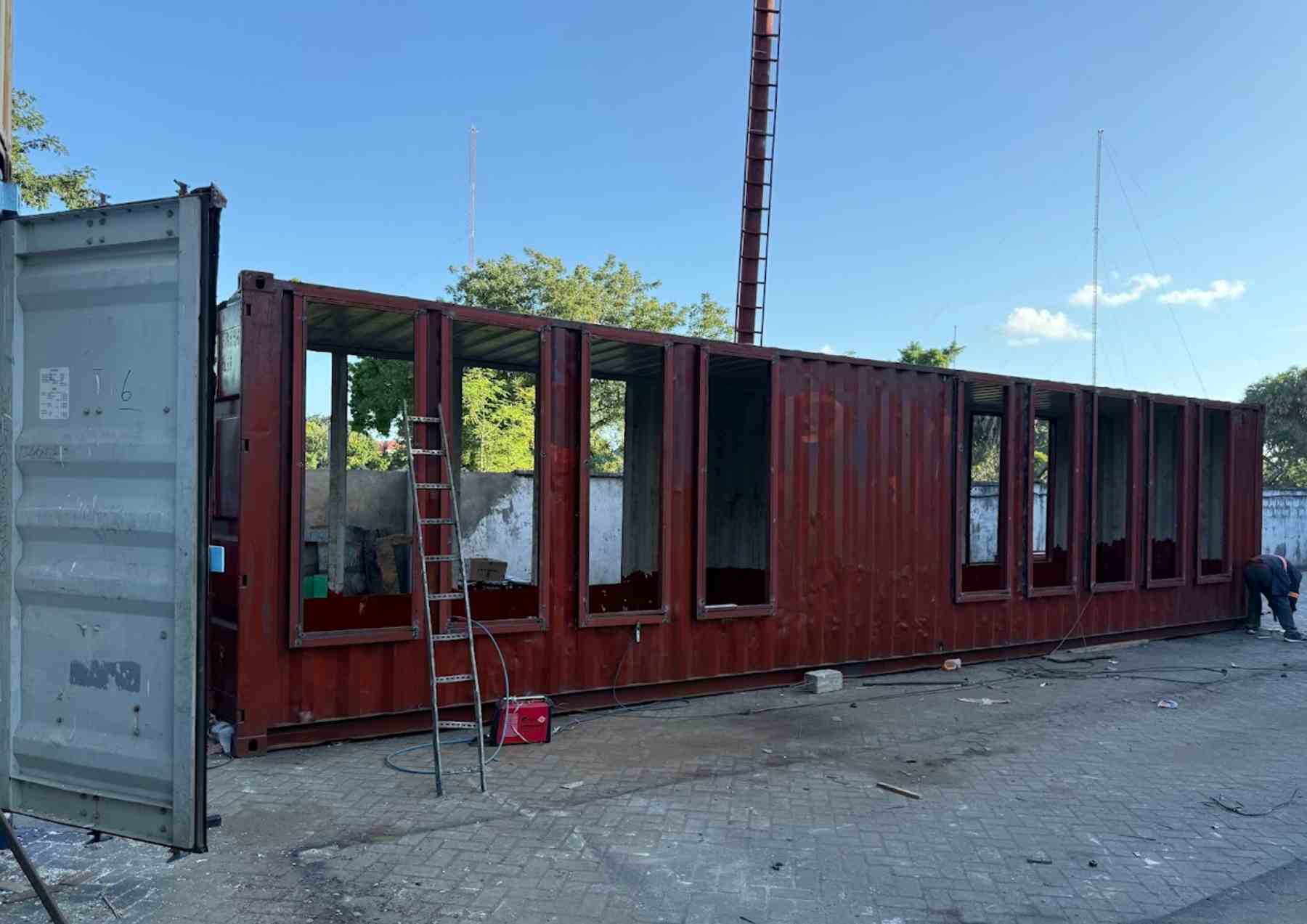
Container modification involves strategically altering the internal and external structure of shipping containers to meet specific requirements. This process can range from simple interior renovations that include insulation, electrical work, and basic furnishing, to complex architectural transformations that combine multiple containers into expansive commercial complexes or residential compounds.
The beauty of container modification lies in its adaptability. A single 20-foot container can become a cozy studio apartment, a fully functional office, a pop-up restaurant, or a medical clinic serving remote communities. Meanwhile, larger 40-foot containers offer even greater possibilities, accommodating spacious living areas, retail stores, or manufacturing workshops that can compete with traditional brick-and-mortar establishments.
Why Choose Modified Containers Over Traditional Construction?
The advantages of choosing modified shipping containers over conventional construction methods extend far beyond initial cost savings. In Kenya’s challenging economic environment, where construction costs continue to rise and project timelines often extend beyond expectations, container modifications offer predictable budgets and realistic completion schedules that business owners and homeowners can rely upon.
Speed of deployment stands as perhaps the most compelling advantage. While traditional construction projects in Kenya typically require 6-12 months for completion, container modifications can be finished within 4-8 weeks, depending on the complexity of the project. This rapid turnaround time means businesses can start generating revenue sooner, and families can occupy their new homes without extended temporary accommodation expenses.
Durability represents another significant advantage. Quality shipping containers are constructed from Corten steel, specifically engineered to resist corrosion, extreme weather conditions, and structural stress. When properly modified and maintained, these structures can last 25-30 years or longer, providing exceptional return on investment compared to many traditional building materials that may require frequent repairs or replacements.
The mobility factor shouldn’t be overlooked either. Unlike permanent structures, modified containers retain their transportability, allowing owners to relocate their investment if circumstances change. This flexibility proves particularly valuable for businesses that may need to respond to market opportunities in different locations across Kenya.
Environmental consciousness plays an increasingly important role in construction decisions. By repurposing containers that have completed their shipping lifecycle, you’re participating in sustainable construction practices that reduce waste and minimize environmental impact. Each container modification project prevents approximately 3,500 kilograms of steel from entering landfills while reducing the demand for new construction materials.
Popular Container Modification Applications in Kenya
The versatility of modified shipping containers for sale has led to their adoption across numerous sectors throughout Kenya. In the residential sector, container homes have gained popularity among young professionals seeking affordable homeownership opportunities, particularly in urban areas where land prices continue to escalate. These homes can be customized with modern amenities, energy-efficient features, and contemporary designs that rival traditional housing options.
Commercial applications have shown remarkable diversity. Retail entrepreneurs have discovered that container shops offer lower startup costs and greater design flexibility compared to traditional storefronts. Restaurants and cafes housed in modified containers create unique dining experiences that attract customers seeking Instagram-worthy venues and authentic atmospheres.
The healthcare sector has embraced container modifications for mobile clinics and emergency medical facilities. These units can be equipped with sophisticated medical equipment and deployed to underserved rural areas, bringing essential healthcare services directly to communities that previously lacked adequate medical access.
Educational institutions have found containers valuable for creating temporary classrooms, libraries, and computer labs. With Kenya’s growing student population and limited educational infrastructure, container-based solutions provide quick, cost-effective ways to expand learning facilities without lengthy construction projects.
Industrial applications continue expanding as manufacturers recognize containers’ potential for workshops, storage facilities, and production spaces. The controlled environment possible within modified containers makes them suitable for specialized manufacturing processes that require specific temperature, humidity, or cleanliness conditions.
Technical Specifications and Customization Options
Understanding the technical specifications of shipping containers helps in making informed decisions about modification possibilities. Standard 20-foot containers provide approximately 160 square feet of interior space, while 40-foot containers offer around 320 square feet. High-cube containers add an extra foot of height, creating more spacious interiors that feel less cramped and allow for standard ceiling installations.
Insulation options vary based on intended use and budget considerations. Basic foam insulation provides adequate temperature control for storage applications, while advanced insulation systems incorporating vapor barriers and thermal breaks create comfortable living and working environments suitable for Kenya’s varied climate conditions.
Electrical systems can be customized to meet specific power requirements. Solar panel installations have become increasingly popular, especially for off-grid applications or environmentally conscious users. These systems can be designed to handle everything from basic lighting and phone charging to full household electrical loads including air conditioning and appliances.
Plumbing installations enable containers to function as complete living spaces or commercial facilities. Modern plumbing techniques allow for efficient water supply and waste management systems that meet local health and safety standards. Water heating systems, from simple electric units to sophisticated solar hot water systems, can be integrated seamlessly into container modifications.
Ventilation systems are crucial for comfort and safety. Options range from simple window and door openings to sophisticated HVAC systems that provide consistent climate control. Proper ventilation prevents condensation issues that could lead to mold or structural problems over time.
Security features can be customized based on location and intended use. Heavy-duty locking systems, reinforced doors and windows, alarm systems, and even biometric access controls can be integrated during the modification process, providing peace of mind for valuable equipment or sensitive operations.
Cost Analysis and Investment Returns
The financial advantages of modified shipping containers for sale become apparent when comparing total project costs against traditional construction alternatives. Initial container acquisition represents just the beginning of cost considerations, but even when factoring in modification expenses, transportation, and site preparation, container projects typically cost 40-60% less than equivalent traditional construction.
In Mombasa’s current market, used 20ft shipping containers cost anywhere from Ksh 200,000 to Ksh 300,000 while used 40ft shipping containers cost anywhere from Ksh 400,000 to Ksh 500,000. Modification costs vary significantly based on intended use, but basic conversions for office or residential use typically add another Ksh 150,000 to Ksh 400,000 to the total project cost.
When evaluating return on investment, container modifications often outperform traditional construction in rental markets. The unique aesthetic appeal and lower operational costs translate to competitive rental rates while maintaining higher profit margins. Commercial applications frequently see payback periods of 18-36 months, depending on location and business model.
Financing options for container projects have improved significantly as financial institutions recognize their viability. Many banks now offer specialized loans for container modifications, treating them as legitimate real estate investments rather than temporary structures. This financial acceptance has opened doors for more ambitious projects and longer-term planning.
Insurance considerations have also evolved favorably. Most insurance companies now offer comprehensive coverage for modified containers, recognizing their structural integrity and permanent installation characteristics. Premium rates often prove lower than traditional construction due to the inherent security and durability of steel construction.
Quality Standards and Safety Considerations
Safety standards for container modifications must meet local building codes and international best practices. Proper structural modifications require engineering assessments to ensure load-bearing capacity isn’t compromised during door and window installations. Professional welding and cutting techniques prevent structural weakening while maintaining the container’s inherent strength characteristics.
Fire safety considerations are paramount in container modifications. Proper insulation materials, electrical installations, and ventilation systems must meet fire safety codes. Emergency egress planning becomes especially important in residential applications, requiring multiple exit routes and appropriate window sizes for emergency escape.
Electrical safety requires professional installation following Kenya Bureau of Standards guidelines. Proper grounding, circuit protection, and weatherproofing ensure safe operation in Kenya’s varied climate conditions. Solar installations must comply with electrical codes and interconnection standards for grid-tied systems.
Foundation requirements vary based on local soil conditions and intended use. While containers can sit on simple concrete pads or steel piers, permanent installations often benefit from more substantial foundations that provide stability and prevent settling or movement during Kenya’s rainy seasons.
Choosing the Right Container Modification Partner
Selecting an experienced container modification company can make the difference between a successful project and costly disappointments. Look for companies with demonstrated experience in your intended application, whether residential, commercial, or industrial. Portfolio reviews and client references provide valuable insights into quality standards and customer satisfaction levels.
Technical expertise should encompass structural engineering, electrical systems, plumbing, insulation, and local building codes. Companies should be able to provide detailed project timelines, cost estimates, and warranty coverage for their work. Transparent pricing without hidden costs indicates professional operations and builds trust throughout the project development process.
Local knowledge proves invaluable for navigating permits, inspections, and regulatory requirements. Companies familiar with Mombasa, Nairobi, and regional regulations can expedite approval processes and ensure compliance with all applicable codes and standards.
After-sales support, including maintenance services and warranty coverage, demonstrates commitment to long-term customer satisfaction. Look for companies that offer ongoing technical support and can provide spare parts or upgrade services as needs evolve over time.
Container Transportation and Site Preparation
Transportation logistics play a crucial role in container modification projects. Kenya’s road infrastructure can present challenges for container delivery, particularly to remote locations or sites with limited access. Professional transportation companies experienced in container handling can navigate these challenges while ensuring safe delivery and proper placement.
Site preparation requirements depend on the intended installation type. Temporary installations may require only level ground and basic utilities connections, while permanent installations need proper foundations, utility connections, and drainage considerations. Site surveys help identify potential challenges and ensure proper preparation before container delivery.
Crane services are often necessary for precise container placement, especially in tight spaces or when combining multiple containers. Professional crane operators familiar with container dimensions and weight characteristics ensure safe, efficient installation without property damage or safety incidents.
Utility connections, including electrical, water, and sewage services, should be planned and prepared before container arrival. Coordinating with utility companies and obtaining necessary permits prevents delays and ensures smooth project completion.
Maintenance and Longevity
Proper maintenance ensures modified containers provide decades of reliable service. Regular inspections should focus on structural integrity, particularly around modification points where cutting or welding occurred. Paint touch-ups prevent rust development and maintain aesthetic appearance over time.
Roof maintenance deserves special attention, as water infiltration can cause significant damage to interior modifications. Regular cleaning of drainage systems and inspection of sealing around roof penetrations prevents water-related problems that could compromise the entire investment.
HVAC system maintenance, including filter changes and equipment servicing, ensures efficient operation and extends equipment life. Regular electrical system inspections verify safe operation and identify potential issues before they become serious problems.
Interior maintenance varies based on use and occupancy patterns. Commercial applications may require more frequent updates to maintain professional appearances, while residential applications might focus more on comfort and energy efficiency improvements over time.
Future Trends and Market Opportunities
The container modification industry continues evolving with new technologies and changing market demands. Smart building integration, including automated climate control, security systems, and energy management, represents a growing trend that adds value and operational efficiency to container projects.
Sustainable design features, including solar power systems, rainwater harvesting, and greywater recycling, appeal to environmentally conscious consumers and can reduce operational costs over time. These features also position properties favorably in Kenya’s growing green building market.
Modular design concepts allow container projects to expand or reconfigure as needs change. This flexibility provides long-term adaptability that traditional construction cannot match, making container investments more resilient to changing market conditions or personal circumstances.
The growing acceptance of container construction in Kenya’s urban planning and zoning regulations creates new opportunities for larger, more ambitious projects. As regulatory barriers diminish, container modifications become viable options for a broader range of applications and locations.
Conclusion: Your Container Modification Journey Starts Here
Modified shipping containers for sale represent more than just an alternative construction method – they embody a philosophy of efficiency, sustainability, and innovation that aligns perfectly with Kenya’s development goals and economic realities. Whether you’re planning your first container project or expanding an existing operation, the combination of cost-effectiveness, durability, and versatility makes container modifications an intelligent choice for forward-thinking individuals and businesses.
At Tedice Containers Ltd, we understand that every container modification project represents someone’s dreams and aspirations. Our commitment extends beyond simply delivering modified containers; we partner with our clients throughout the entire process, from initial concept development through final installation and beyond. Our team’s expertise in container selection, modification design, transportation logistics, and ongoing support ensures your investment delivers the value and performance you expect.
The container modification industry in Kenya continues growing as more people discover the benefits of these versatile structures. Early adopters have already established successful businesses, created comfortable homes, and developed innovative solutions that serve their communities. Now it’s your turn to join this exciting movement and transform your space with a professionally modified shipping container that meets your specific needs and exceeds your expectations.
Ready to explore the possibilities? Contact Tedice Containers Ltd today to discuss your container modification project and discover how we can help you create the perfect space for your needs, timeline, and budget. Your container transformation journey starts with a single conversation – let’s make it happen together.