
Table of Contents
When I first started working with clients across Mombasa, Nairobi, and other parts of Kenya, the most common question I encountered was about shipping container size variations. Whether you’re planning a storage solution for your warehouse in Industrial Area, setting up a mobile office in Kilifi, or considering a container home project in Nakuru, understanding the different container dimensions available can save you thousands of shillings and prevent costly mistakes.
The shipping container industry in Kenya has experienced tremendous growth over the past decade. From the bustling port of Mombasa to the inland container depots in Nairobi, businesses and individuals are discovering the versatility of these steel giants. But here’s what many people don’t realize – choosing the wrong container size can turn your cost-effective solution into an expensive headache.
Understanding Standard Container Dimensions in Kenya
The international shipping industry operates on standardized measurements, and Kenya follows these global standards. However, what works perfectly for international shipping might not be the ideal solution for your local project. Let me walk you through the most common container sizes we work with at our Mombasa facility.
20-Foot Containers: The Versatile Workhorse
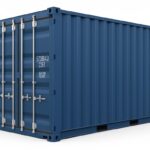
The 20-foot container represents the sweet spot for many Kenyan businesses. With external dimensions of 6.06 meters in length, 2.44 meters in width, and 2.59 meters in height, these containers offer approximately 33 cubic meters of storage space. The internal cargo area measures roughly 5.90 meters long, 2.35 meters wide, and 2.39 meters high.
I’ve personally delivered hundreds of these containers across Kenya, from small-scale farmers in Meru who use them for grain storage to boutique hotels in Diani that convert them into unique guest accommodations. The 20-foot size strikes an excellent balance between capacity and transportability, especially when navigating Kenya’s diverse terrain.
The tare weight of a standard 20-foot container is approximately 2,300 kilograms, with a maximum gross weight of 30,480 kilograms. This means you can load up to 28,180 kilograms of cargo – perfect for most commercial applications in Kenya. Whether you’re storing maize from the Rift Valley or setting up a pop-up shop in Kisumu, this size provides ample space without overwhelming smaller properties.
40-Foot Containers: Maximum Storage Capacity
When space is at a premium and you need maximum storage, the 40-foot container becomes the obvious choice. These larger units measure 12.19 meters in length while maintaining the same width and height as their 20-foot counterparts. The internal dimensions provide approximately 67 cubic meters of storage space.
From my experience working with importers at the Port of Mombasa, 40-foot containers are particularly popular among businesses dealing with bulky goods or high-volume imports. The longer length makes them ideal for storing furniture, machinery, or large quantities of consumer goods. I’ve seen successful implementations ranging from expanded retail spaces in Eldoret to mobile clinics serving remote areas of Northern Kenya.
The structural integrity of 40-foot containers is impressive, with a tare weight of about 3,750 kilograms and maximum gross weight of 30,480 kilograms. This translates to a payload capacity of approximately 26,730 kilograms. However, the increased length requires more careful consideration during transportation, especially when navigating narrow roads or tight spaces in urban areas like Nairobi’s CBD.
High Cube Containers: Extra Height for Special Needs
Standard containers provide 2.59 meters of external height, but high cube containers add an extra 30 centimeters, reaching 2.89 meters externally. This additional height translates to roughly 2.70 meters of internal clearance – a game-changer for many applications.
I remember working with a client in Nakuru who was converting containers into affordable housing units. The extra height in high cube containers made all the difference in creating comfortable living spaces that didn’t feel cramped. Similarly, businesses storing tall equipment or creating multi-level storage systems find this additional space invaluable.
High cube containers are available in both 20-foot and 40-foot lengths, with the 40-foot high cube being particularly popular for shipping and storage applications. The additional volume comes with minimal increase in tare weight, making these containers an excellent value proposition for many projects.
Specialized Container Sizes for Unique Applications
10-Foot Containers: Compact Solutions
While not as common in international shipping, 10-foot containers have found their niche in the Kenyan market. These compact units measure approximately 3.05 meters in length, making them perfect for situations where space is extremely limited or portability is crucial.
I’ve supplied 10-foot containers for various unique applications across Kenya. Beach resorts in Malindi use them as compact storage units that don’t overwhelm the natural landscape. Small-scale entrepreneurs in Kibera have transformed them into micro-businesses, taking advantage of their mobility and compact footprint.
The reduced size means easier transportation and installation, even in areas with limited access. However, the storage capacity is naturally limited to about 16 cubic meters, making careful space planning essential.
45-Foot Containers: Extended Capacity
At the upper end of the size spectrum, 45-foot containers offer maximum storage capacity for those who need it. These containers measure 13.72 meters in length, providing approximately 86 cubic meters of storage space. While less common than standard sizes, they serve specific purposes in the Kenyan market.
Large-scale agricultural operations, particularly in areas like Nanyuki and Timau, utilize these containers for seasonal storage of produce. The extended length accommodates specialized equipment or large quantities of goods that wouldn’t fit efficiently in smaller containers.
Transportation of 45-foot containers requires special consideration due to their length. Road regulations and infrastructure limitations mean these containers are typically used for stationary applications rather than frequent relocation.
Choosing the Right Container Size for Your Kenyan Project
Residential Applications
The growing trend of container homes in Kenya has created interesting size considerations. For a single-bedroom unit, a 20-foot container provides adequate space with clever design. I’ve worked with architects in Karen and Runda who create stunning compact living spaces within these dimensions.
For families requiring more space, combining multiple 20-foot containers or utilizing a 40-foot container opens up possibilities for multi-room layouts. The key is understanding how the internal dimensions translate to livable space after insulation, electrical work, and interior finishing.
Commercial Storage Solutions
Kenyan businesses across various sectors have embraced container storage for its security, durability, and cost-effectiveness. Retail businesses in Nairobi’s Eastlands area often choose 20-foot containers for inventory storage, while larger distributors opt for 40-foot units.
The climate in different parts of Kenya also influences size selection. In coastal areas like Mombasa and Malindi, where humidity is higher, larger containers provide better air circulation when properly ventilated. Inland areas with more stable climates can accommodate any size effectively.
Agricultural Applications
Kenya’s agricultural sector has been particularly innovative in container utilization. Flower farms in Naivasha use specialized 40-foot refrigerated containers for cold storage, while grain farmers in Trans-Nzoia prefer standard 20-foot containers for their versatility.
The transportation infrastructure in rural Kenya often favors smaller containers. While a 40-foot container offers more storage per unit, two 20-foot containers might be more practical for farms with limited access roads.
Transportation and Installation Considerations
Road Regulations and Permits
Understanding Kenya’s road regulations is crucial when selecting container sizes. Standard 20-foot and 40-foot containers generally comply with national road regulations, but specific routes may have restrictions. The Kenya National Highways Authority has specific guidelines for oversized cargo, which can affect delivery costs and timelines.
I always advise clients to consider the final destination’s accessibility during the planning phase. A 40-foot container might be perfect for your storage needs, but if it can’t reach your site without expensive special transport arrangements, a combination of smaller containers might be more practical.
Site Preparation Requirements
Each container size has specific site preparation requirements. A 20-foot container requires a level foundation measuring at least 6.5 meters by 3 meters, while 40-foot containers need approximately 13 meters by 3 meters of prepared ground.
The foundation doesn’t need to be elaborate – properly prepared and compacted ground with concrete pads at the corner points is often sufficient. However, the larger the container, the more critical proper foundation becomes for long-term stability.
Installation Methods
Container installation methods vary based on size and intended use. Smaller containers can sometimes be positioned using heavy-duty forklifts, while larger units typically require crane installation. Our installation team has experience working across Kenya’s diverse terrain, from the sandy soils of coastal areas to the rocky ground of central Kenya.
Weather considerations also play a role in installation scheduling. The rainy seasons can complicate access to installation sites, particularly for larger containers that require stable ground for crane operations.
Cost Considerations Across Different Container Sizes
Purchase Price Variations
Container pricing in Kenya varies significantly based on size, condition, and current market demand. Generally, 20-foot containers offer the best value per cubic meter of storage space, while larger containers provide economies of scale for high-volume needs.
The used container market in Mombasa fluctuates based on international shipping patterns and local demand. During peak agricultural seasons, storage container demand increases, affecting pricing across all sizes. Understanding these market cycles can help you time your purchase for optimal value.
Transportation Costs
Transportation costs don’t scale linearly with container size. While a 40-foot container costs more to transport than a 20-foot unit, the per-cubic-meter transportation cost is often lower. However, this advantage can be offset if special transport arrangements are required for larger containers.
For deliveries within Mombasa and Nairobi, standard container sizes are easily accommodated by our regular delivery schedule. Remote locations or areas with access challenges may require specialized transport arrangements, regardless of container size.
Modification and Customization Costs
Container modification costs vary significantly based on size and complexity. Larger containers provide more space for creative modifications but also require more materials and labor. A 20-foot container conversion might need 4-5 windows, while a 40-foot container could require 8-10 for adequate natural lighting.
Electrical and plumbing installations scale with container size but not always proportionally. The basic infrastructure requirements remain similar regardless of size, making larger containers more cost-effective for complex modifications.
Maximizing Space Efficiency in Different Container Sizes
Internal Layout Optimization
Each container size presents unique opportunities and challenges for space optimization. In 20-foot containers, every square meter counts, requiring careful planning to maximize functionality. I’ve seen brilliant solutions where clients use vertical space creatively, installing mezzanine levels or high-mounted storage systems.
Forty-foot containers offer more flexibility for internal partitioning and zone creation. The extended length accommodates natural divisions between storage, workspace, and utility areas. This size works particularly well for businesses requiring both storage and operational space within the same unit.
Access and Workflow Considerations
Container size directly impacts internal workflow and access patterns. Narrower containers require more thoughtful planning for equipment movement and personnel access. The standard 2.35-meter internal width accommodates most standard equipment but may require careful planning for larger machinery.
Loading and unloading efficiency varies with container size and intended use. For storage applications, larger containers reduce the frequency of access but may require internal organization systems to maintain efficiency. Commercial applications might benefit from multiple access points, which are easier to accommodate in longer containers.
Climate Considerations for Different Container Sizes in Kenya
Ventilation Requirements
Kenya’s diverse climate zones require different approaches to container ventilation. Coastal areas with high humidity benefit from cross-ventilation systems, which are easier to implement in larger containers. The additional space allows for more strategic placement of vents and fans.
Inland areas with more extreme temperature variations may require different ventilation strategies. Smaller containers heat up and cool down more quickly, which can be advantageous or problematic depending on the intended use.
Insulation Strategies
Insulation requirements vary with container size and intended use. Larger containers offer more flexibility for insulation system selection but also require more materials and investment. The thermal mass of larger containers can provide more stable internal temperatures once properly insulated.
For residential applications, insulation planning must account for reduced internal dimensions after installation. A 20-foot container might lose 10-15 centimeters of width and length to insulation, significantly impacting the usable space. Larger containers handle this reduction more gracefully.
Future Trends in Container Sizing for the Kenyan Market
Emerging Size Preferences
The Kenyan market is showing interesting trends in container size preferences. There’s growing demand for 10-foot containers in urban areas where space is at a premium. These compact units serve as micro-offices, pop-up retail spaces, and compact storage solutions in densely populated areas.
Conversely, agricultural and industrial applications are trending toward larger sizes for economy of scale. The 40-foot high cube container has become increasingly popular for applications requiring both volume and height.
Technology Integration
Modern container applications increasingly integrate technology systems that influence size selection. Solar power installations, for example, work more efficiently on larger containers with more roof surface area. Similarly, smart security systems and environmental controls scale better with larger container sizes.
Sustainability Considerations
Environmental consciousness is influencing container size selection in Kenya. Larger containers generally offer better material efficiency per cubic meter of space, aligning with sustainability goals. However, transportation efficiency and local manufacturing considerations sometimes favor smaller, more manageable sizes.
Making Your Final Container Size Decision
Assessment Framework
Choosing the right shipping container size requires a systematic approach. Start by clearly defining your space requirements, including both immediate needs and potential future expansion. Consider the physical constraints of your site, including access routes, available space, and foundation requirements.
Budget considerations should encompass not just the initial container cost but also transportation, installation, and any required modifications. Sometimes, two smaller containers cost less overall than one large container when installation complexity is factored in.
Professional Consultation Benefits
Working with experienced container suppliers provides valuable insights into size selection. Our team has delivered containers across Kenya’s diverse landscape and can provide specific guidance based on your location and intended use.
Site visits often reveal considerations that aren’t apparent from initial planning. Soil conditions, access routes, utility locations, and neighbor considerations can all influence the optimal container size selection.
Long-term Flexibility
Consider your long-term needs when selecting container sizes. Modular approaches using multiple smaller containers offer more flexibility for future reconfiguration or relocation. Single large containers provide maximum space efficiency but less adaptability.
The resale value and market demand for different container sizes in Kenya should also factor into your decision. Standard sizes (20-foot and 40-foot) typically maintain better resale value and market liquidity.
Conclusion
Selecting the right shipping container size for your Kenyan project requires balancing multiple factors including space needs, budget constraints, site limitations, and intended use. From the compact efficiency of 10-foot containers to the spacious capacity of 45-foot units, each size offers unique advantages for different applications.
The key to success lies in thorough planning and professional guidance. Whether you’re establishing storage facilities in Mombasa, creating innovative housing solutions in Nairobi, or developing agricultural infrastructure in rural Kenya, the right container size choice sets the foundation for project success.
Our experience delivering and installing containers across Kenya has taught us that one size definitely doesn’t fit all. The diversity of applications, from beachfront resorts in Kilifi to highland farms in Nyandarua, requires flexible thinking and customized solutions.
As Kenya’s economy continues to grow and diversify, shipping containers will play an increasingly important role in providing affordable, durable, and versatile infrastructure solutions. Understanding the nuances of container sizing ensures you can take full advantage of these remarkable steel building blocks.
For your next container project, consider not just what size meets your immediate needs, but which size positions you for long-term success. The right container size choice today creates opportunities for tomorrow’s growth and adaptation.