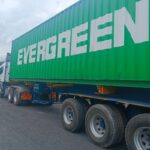


The container delivery Kenya industry has revolutionized how businesses and individuals access shipping containers for various applications across the country. From the bustling port of Mombasa to remote rural areas, professional container delivery services ensure that high-quality shipping containers reach their destinations safely, efficiently, and cost-effectively.
Kenya’s strategic position as East Africa’s logistics hub has created a robust container delivery network that serves not only domestic needs but also facilitates container transport to neighboring countries. This comprehensive guide explores everything you need to know about container delivery services in Kenya, helping you make informed decisions for your container transport needs.
Understanding Container Delivery Services in Kenya
Container delivery Kenya encompasses a wide range of specialized transport services designed to move shipping containers from ports, depots, and suppliers to end-users across the country. These services utilize specialized equipment including crane trucks, flatbed trailers, and container chassis to ensure safe and efficient transportation.
The container delivery industry in Kenya has evolved significantly over the past decade, driven by increased demand for container-based solutions in construction, storage, and commercial applications. Professional delivery services now offer comprehensive solutions that include site preparation assessment, delivery scheduling, positioning services, and even basic modification support.
Modern container delivery Kenya services prioritize customer convenience, offering flexible scheduling, real-time tracking, and specialized equipment to handle various container types and sizes. Whether you need a single 20-foot container delivered to an urban location or multiple 40-foot containers transported to a remote construction site, professional delivery services can accommodate diverse requirements.
[IMG: A convoy of specialized container transport trucks traveling along the Mombasa-Nairobi highway, showcasing the extensive logistics network that supports container delivery across Kenya]
Types of Container Delivery Services Available
Standard Container Transport
Standard container delivery services form the backbone of the container delivery Kenya market, utilizing conventional flatbed trucks and trailers to transport containers to accessible locations. These services work best for sites with good road access and sufficient space for standard delivery vehicles.
Standard delivery typically includes basic positioning at the delivery site, though precise placement may require additional equipment or manual repositioning. This delivery method offers the most cost-effective solution for straightforward container delivery requirements where specialized equipment is not necessary.
Most standard delivery services can handle both 20-foot and 40-foot containers, though weight restrictions and road conditions may influence delivery capabilities. Professional operators ensure proper securing and protection during transport to prevent damage and ensure safe delivery.
Crane-Assisted Container Delivery
Crane-assisted delivery represents the premium tier of container delivery Kenya services, utilizing specialized trucks equipped with hydraulic cranes capable of lifting and precisely positioning containers. This service proves invaluable for sites with limited access, space constraints, or specific positioning requirements.
Crane delivery services can place containers in tight spaces, over obstacles, or in elevated positions that would be impossible with standard delivery methods. This capability makes crane-assisted delivery essential for urban applications, rooftop installations, and sites where containers must be positioned precisely.
The versatility of crane-assisted delivery extends to stacking containers, placing them alongside existing structures, or positioning them in areas where standard trucks cannot access. While more expensive than standard delivery, crane services often provide the only viable solution for challenging delivery scenarios.
Remote Area Container Delivery
Kenya’s diverse geography requires specialized container delivery services for remote and challenging locations. Remote area delivery combines advanced route planning, specialized vehicles, and experienced drivers familiar with rural road conditions and logistical challenges.
These services often require additional coordination with local authorities, road condition assessments, and sometimes temporary road improvements to ensure successful delivery. Remote delivery may also involve multiple transport modes, such as rail transport to regional hubs followed by road delivery to final destinations.
Weather considerations play a crucial role in remote area container delivery, with rainy seasons potentially affecting road accessibility and delivery schedules. Professional remote delivery services maintain flexible scheduling and alternative route planning to ensure reliable service regardless of conditions.
Container Delivery Process and Logistics
Pre-Delivery Planning and Assessment
Successful container delivery Kenya operations begin with comprehensive pre-delivery planning that addresses site conditions, access requirements, and positioning needs. Professional delivery services conduct site assessments to identify potential challenges and determine appropriate equipment and approach methods.
Site assessment includes evaluating road access, weight-bearing capacity of surfaces, overhead clearances, and space availability for delivery vehicles and container positioning. This planning phase helps prevent delivery delays and ensures the right equipment is dispatched for each delivery.
Permit requirements and regulatory compliance also form part of pre-delivery planning, particularly for oversized loads or deliveries to restricted areas. Professional delivery services handle permit applications and coordinate with relevant authorities to ensure smooth delivery operations.
Scheduling and Coordination
Effective scheduling coordination ensures that container delivery Kenya services align with customer needs and site readiness. Professional delivery services offer flexible scheduling options, including expedited delivery for urgent requirements and scheduled delivery for project timelines.
Communication protocols keep customers informed throughout the delivery process, from initial scheduling through final positioning. Many modern delivery services provide real-time tracking and updates, allowing customers to monitor delivery progress and prepare for container arrival.
Site preparation coordination ensures that delivery locations are ready for container placement, including any necessary ground preparation, access clearing, or positioning marker placement. This coordination minimizes delivery time and ensures successful first-attempt delivery.
Delivery Execution and Safety Protocols
Professional container delivery execution prioritizes safety for personnel, property, and the containers themselves. Delivery teams follow established safety protocols including load securing, route safety assessments, and proper equipment operation procedures.
During delivery, experienced operators handle container positioning with precision, ensuring proper placement according to customer specifications. Safety considerations include maintaining adequate clearances, proper ground support, and coordination with any on-site personnel or activities.
Post-delivery inspection ensures that containers arrive in expected condition and are properly positioned according to delivery specifications. Professional services document delivery completion and address any concerns or additional positioning requirements.
[IMG: A skilled crane operator carefully positioning a modified container office at a construction site in Kisumu, demonstrating the precision and expertise required for successful container delivery]
Geographic Coverage and Regional Considerations
Nairobi and Central Kenya Container Delivery
Nairobi and surrounding Central Kenya regions represent the highest-demand area for container delivery Kenya services, driven by urban development, commercial growth, and proximity to major transport infrastructure. The well-developed road network in this region facilitates efficient container delivery to most locations.
Urban delivery challenges in Nairobi include traffic congestion, space constraints, and parking restrictions that affect delivery scheduling and execution. Professional delivery services navigate these challenges through strategic timing, route optimization, and specialized urban delivery equipment.
The concentration of container modification services in the Nairobi area creates additional demand for delivery services that can coordinate with modification providers to deliver pre-modified containers or transport containers to modification facilities.
Coastal Region and Mombasa Port Delivery
The coastal region, centered around Mombasa port, serves as the primary source for container delivery Kenya operations. The proximity to port facilities provides cost advantages for container acquisition and initial transport, though delivery to final destinations may involve significant distances.
Coastal environmental conditions, including salt air and humidity, require special consideration for container transport and storage. Professional delivery services understand these environmental factors and take appropriate protective measures during transport and delivery.
The tourism industry along the coast has created unique delivery requirements for hospitality applications, eco-lodges, and beachfront developments that often require specialized access and positioning services.
Western and Northern Kenya Delivery Challenges
Western and Northern Kenya regions present unique challenges for container delivery Kenya services, including longer transport distances, varying road conditions, and seasonal accessibility issues. These factors require specialized planning and equipment to ensure reliable delivery services.
Infrastructure development in these regions continues to improve container delivery accessibility, with ongoing road improvements and bridge construction expanding the reach of professional delivery services. However, some remote areas may still require specialized equipment or alternative transport arrangements.
Agricultural applications in Western Kenya create seasonal demand spikes for container delivery services, particularly during harvest seasons when storage and processing facilities are in high demand. Professional delivery services plan capacity and resources to accommodate these seasonal variations.
[IMG: A specialized all-terrain delivery truck navigating a rural road in Northern Kenya, highlighting the logistical expertise required to serve remote areas with container delivery services]
Cost Factors and Pricing Considerations
Distance and Location Impact on Delivery Costs
Distance represents the primary cost factor in container delivery Kenya pricing, with longer distances requiring more fuel, time, and vehicle resources. However, the relationship between distance and cost is not always linear, as route efficiency, return load opportunities, and regional demand patterns influence pricing.
Remote location delivery often carries premium pricing due to challenging access conditions, longer travel times, and the need for specialized equipment or additional permits. Urban delivery may also carry premium pricing due to traffic congestion and time constraints, though shorter distances typically offset these factors.
Regional pricing variations reflect local market conditions, competitor density, and operational costs in different areas. Coastal areas near Mombasa often offer competitive pricing due to proximity to container sources, while remote areas may command higher prices due to limited service availability.
Container Size and Weight Considerations
Container size significantly impacts delivery costs, with 40-foot containers typically costing 50-80% more to deliver than 20-foot containers due to equipment requirements and load restrictions. High-cube containers may carry additional premiums due to height restrictions and specialized handling requirements.
Container weight affects both equipment selection and route planning, with heavily loaded containers requiring specialized trailers and potentially restricting route options. Empty containers generally cost less to deliver than loaded units, though the difference may be minimal for short-distance delivery.
Modified containers often require special handling due to structural changes, added weight, or altered dimensions. These factors may necessitate specialized equipment or additional precautions that impact delivery pricing.
Equipment and Service Level Selection
Standard delivery using flatbed trucks represents the most economical container delivery option, suitable for accessible locations with adequate space for positioning. This service level typically includes basic placement at the delivery site without precision positioning.
Crane-assisted delivery commands premium pricing due to specialized equipment costs and trained operator requirements. However, this investment often proves cost-effective for challenging delivery scenarios where alternative methods would be impossible or more expensive.
Additional services such as site preparation, container modification coordination, or return equipment removal may add to base delivery costs but provide value through comprehensive service delivery and reduced customer coordination requirements.
Safety and Regulatory Compliance
Transportation Safety Standards
Container delivery Kenya operations must comply with national transportation safety standards covering vehicle maintenance, driver qualifications, and load securing requirements. Professional delivery services maintain compliance through regular equipment inspections, driver training programs, and safety protocol enforcement.
Load securing represents a critical safety consideration, with improperly secured containers posing risks to public safety and property damage. Professional services utilize appropriate securing equipment and follow established procedures to ensure container stability during transport.
Traffic safety protocols include route planning that considers road conditions, traffic patterns, and vehicle restrictions. Professional delivery services coordinate with traffic authorities when necessary and follow established procedures for oversized load transport.
Environmental and Community Considerations
Environmental responsibility in container delivery includes minimizing emissions through efficient route planning, maintaining vehicles in good condition, and considering environmental impact in operational decisions. Many professional delivery services implement environmental management practices to reduce their operational footprint.
Community consideration involves minimizing disruption during delivery operations, particularly in residential areas or during sensitive times. Professional services coordinate with communities and local authorities to ensure respectful and responsible delivery operations.
Noise pollution management becomes important for urban deliveries and residential area operations. Professional services schedule deliveries appropriately and use equipment designed to minimize noise impact when possible.
Insurance and Liability Coverage
Comprehensive insurance coverage protects both service providers and customers against potential damages during container delivery operations. Professional delivery services maintain appropriate liability insurance, cargo insurance, and vehicle insurance to cover various risk scenarios.
Customer property protection includes coverage for potential damage to driveways, landscaping, or structures during delivery operations. Professional services take precautions to prevent damage and maintain insurance coverage for potential incidents.
Container damage protection ensures that containers arrive in expected condition, with professional services accepting responsibility for damage that occurs during transport. Clear documentation and inspection protocols help establish responsibility and facilitate claims processing when necessary.
[IMG: A professional delivery team conducting a pre-delivery safety inspection of their crane truck and container load at a depot in Mombasa, emphasizing the importance of safety protocols in container delivery operations]
Choosing the Right Container Delivery Service
Evaluating Service Provider Capabilities
Selecting the optimal container delivery Kenya service requires evaluating provider capabilities against specific delivery requirements. Consider factors such as equipment availability, geographic coverage, scheduling flexibility, and experience with similar delivery challenges.
Equipment inventory should match delivery requirements, with providers offering appropriate trucks, cranes, and specialized equipment for the intended delivery scenario. Inquire about backup equipment availability and contingency plans for equipment failures or unexpected challenges.
Geographic coverage and local expertise become important for deliveries to remote or challenging locations. Providers with established networks and local knowledge can navigate regional challenges more effectively than those unfamiliar with specific areas.
Service Quality and Reliability Assessment
Service quality indicators include on-time delivery performance, customer satisfaction ratings, and professional certifications or industry memberships. Reliable providers maintain consistent service standards and have systems in place to address potential issues proactively.
Communication capabilities affect the overall service experience, with professional providers offering clear communication protocols, regular updates, and responsive customer service. Look for providers who maintain open communication throughout the delivery process.
Problem resolution capabilities become important when delivery challenges arise. Professional providers have established procedures for addressing unexpected issues and maintaining customer satisfaction even when complications occur.
Cost-Value Analysis and Comparison
Cost comparison should consider total value delivered rather than just base pricing. Lower-cost providers may offer limited services or have hidden costs that increase total project expenses. Compare complete service packages to determine true value.
Service inclusions vary among providers, with some offering comprehensive packages that include site assessment, permits, positioning, and follow-up services. Others may charge separately for these services, making direct price comparison challenging without detailed analysis.
Long-term relationship potential may justify premium pricing for providers who offer ongoing support, maintenance services, or preferential scheduling for repeat customers. Consider future needs when evaluating delivery service providers.
Technology and Innovation in Container Delivery
GPS Tracking and Real-Time Monitoring
Modern container delivery Kenya services increasingly utilize GPS tracking systems that provide real-time location monitoring and delivery progress updates. These systems enhance customer communication and enable proactive management of delivery schedules and potential delays.
Route optimization technology helps delivery services plan efficient routes that minimize travel time, fuel consumption, and delivery costs. Advanced systems consider traffic patterns, road conditions, and vehicle restrictions to identify optimal delivery routes.
Customer communication platforms integrated with tracking systems enable automated updates, delivery notifications, and direct communication channels between customers and delivery teams. These systems improve service transparency and customer satisfaction.
Equipment Automation and Efficiency Improvements
Automated loading and positioning systems are beginning to appear in advanced container delivery operations, improving efficiency and reducing manual labor requirements. While still emerging in the Kenyan market, these technologies promise future efficiency gains.
Hydraulic and pneumatic assist systems help delivery crews handle heavy containers more safely and efficiently. These systems reduce physical strain on workers while improving positioning accuracy and speed.
Remote monitoring capabilities allow delivery managers to oversee multiple operations simultaneously, improving coordination and enabling rapid response to challenges or changes in delivery requirements.
Digital Documentation and Service Management
Electronic documentation systems streamline delivery paperwork, reduce errors, and provide immediate access to delivery records and customer information. Digital systems also facilitate better record keeping and service quality monitoring.
Mobile applications enable field crews to access delivery instructions, update status information, and communicate with dispatch and customers directly from delivery sites. These tools improve communication and reduce administrative overhead.
Integrated billing and invoicing systems connected to delivery tracking provide automatic billing generation and reduce administrative costs for both service providers and customers. These systems also improve billing accuracy and payment processing efficiency.
Industry Trends and Future Outlook
Growing Demand for Container Solutions
The container delivery Kenya market continues to expand as awareness grows regarding the versatility and cost-effectiveness of container-based solutions. Increasing demand for affordable housing, commercial space, and storage solutions drives continued growth in delivery service requirements.
Urban development trends favor modular and rapid construction methods, with container-based solutions offering attractive alternatives to traditional construction. This trend supports continued growth in container delivery services, particularly in urban areas.
Environmental consciousness among consumers and businesses increases demand for sustainable construction alternatives, with container repurposing offering attractive environmental benefits that support market growth.
Service Innovation and Specialization
Delivery service specialization continues to develop, with providers offering focused services for specific container types, applications, or geographic regions. This specialization enables improved service quality and competitive advantages in targeted market segments.
Value-added services such as site preparation, container modification coordination, and ongoing maintenance support become increasingly common as delivery providers seek to differentiate their offerings and increase customer value.
Partnership development between delivery services and container suppliers, modification providers, and end-users creates integrated service offerings that simplify customer experience and improve project outcomes.
Regulatory Evolution and Standardization
Transportation regulations continue to evolve, with potential changes affecting equipment requirements, driver qualifications, and safety standards. Professional delivery services must stay current with regulatory changes and adapt operations accordingly.
Industry standardization efforts may establish common service standards, pricing transparency, and quality metrics that benefit both service providers and customers. These developments could improve market efficiency and customer confidence.
Environmental regulations may increasingly influence delivery operations, with potential requirements for emission controls, noise reduction, or environmental impact assessments. Forward-thinking providers are already implementing environmental management practices.
Conclusion: Maximizing Value from Container Delivery Services
Container delivery Kenya services play a crucial role in making container solutions accessible across the country, enabling businesses and individuals to benefit from the versatility and cost-effectiveness of shipping containers. Success in utilizing these services depends on understanding delivery requirements, selecting appropriate service providers, and planning delivery operations effectively.
The continued growth and innovation in container delivery services promise improved accessibility, enhanced service quality, and more competitive pricing for customers throughout Kenya. As the industry matures, service standardization and technology adoption will likely improve service reliability and customer experience.
Whether you need a single container delivered to an urban location or multiple containers transported to a remote project site, professional container delivery Kenya services provide the expertise and equipment necessary for successful delivery operations. By working with experienced providers and planning deliveries carefully, customers can ensure their container projects begin with reliable, professional delivery service.
The future of container delivery in Kenya looks bright, with continued infrastructure development, technology adoption, and service innovation supporting the growing demand for container-based solutions across residential, commercial, and industrial applications. Professional delivery services will continue to play an essential role in making these solutions accessible to customers throughout the country.