
Used Containers Kenya: Your Ultimate Guide to Affordable Container Solutions in 2025
Table of Contents
Kenya’s container industry has experienced remarkable growth over the past decade, transforming how Kenyans approach construction, storage, and innovative living solutions. Used containers Kenya market has become a cornerstone of affordable development, offering sustainable alternatives to traditional building methods while addressing the country’s growing housing and commercial space demands.
The strategic location of Kenya’s ports, particularly Mombasa, has positioned the country as a major hub for container trade in East Africa. This advantageous position ensures a steady supply of quality used containers that can be repurposed for various applications, from residential homes to commercial establishments, mobile clinics, and storage facilities.
Understanding the Used Container Market in Kenya
The used containers Kenya market operates on principles of sustainability and cost-effectiveness. These steel structures, originally designed for international shipping, find new life serving local communities across the country. The market has evolved significantly, with suppliers now offering comprehensive modification services that transform basic containers into fully functional living and working spaces.
Kenya’s container market benefits from the country’s position as a gateway to East and Central Africa. The Port of Mombasa handles thousands of containers monthly, creating a substantial inventory of used units available for local purchase. This consistent supply chain ensures competitive pricing and variety in container types, sizes, and conditions.
The growing awareness of environmental sustainability has further boosted the popularity of container repurposing. Instead of allowing these steel structures to accumulate as industrial waste, forward-thinking Kenyans are embracing container modifications as an eco-friendly construction alternative that reduces both environmental impact and construction costs.
[IMAGE CAPTION 2: Before and after photos showing a standard 40-foot container transformed into a modern, fully-equipped mobile clinic serving rural communities in Kenya]
Types of Used Containers Available in Kenya
Standard Dry Containers
Standard dry containers represent the most common type available in the used containers Kenya market. These versatile units come in standard sizes of 20 feet and 40 feet, offering different spatial configurations for various applications. The 20-foot containers provide approximately 160 square feet of floor space, while 40-foot units offer around 320 square feet.
These containers feature corrugated steel walls, wooden floors, and robust locking mechanisms. Their weather-resistant design makes them ideal for storage applications, while their structural integrity supports significant modifications for residential and commercial use. The standard height of 8.5 feet provides adequate headroom for most applications, though high-cube variants offer additional vertical space.
High-Cube Containers
High-cube containers have gained popularity in the used containers Kenya market due to their enhanced interior space. Standing 9.5 feet tall instead of the standard 8.5 feet, these units provide that crucial extra foot of headroom that makes a significant difference in residential and office applications.
The additional height makes high-cube containers particularly suitable for homes, retail spaces, and workshops where ceiling height impacts comfort and functionality. This extra space allows for better insulation installation, improved ventilation systems, and more sophisticated interior design options.
Refrigerated Containers (Reefers)
Refrigerated containers, commonly known as reefers, offer unique opportunities in the used containers Kenya market. While their refrigeration units may no longer function, these containers provide excellent insulation properties that make them ideal for climate-controlled applications.
Former reefer containers often feature stainless steel interiors, superior insulation, and robust construction that exceeds standard container specifications. These characteristics make them excellent choices for food service applications, medical facilities, or any use requiring temperature control or enhanced cleanliness standards.
[IMAGE CAPTION 3: A creative container home development in Nairobi showing multiple 20-foot containers stacked and connected to create affordable housing units with modern amenities]
Popular Container Modification Applications in Kenya
Residential Container Homes
Container homes have revolutionized affordable housing in Kenya, offering a path to homeownership for middle-income families facing escalating construction costs. The used containers Kenya market supports this trend by providing cost-effective raw materials that can be transformed into comfortable, modern living spaces.
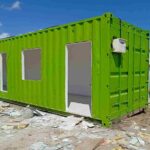
A typical container home project begins with selecting appropriate containers based on desired layout and size requirements. Single containers work well for studio apartments or tiny homes, while multiple containers can be combined to create larger family residences. The modification process includes adding windows, doors, insulation, electrical systems, and plumbing to create fully functional homes.
The speed of container home construction represents another significant advantage. While traditional construction can take months or years, container homes can be completed in weeks. This rapid timeline appeals to young professionals, growing families, and anyone seeking quick housing solutions without compromising on quality or comfort.
Commercial Container Applications
The versatility of used containers Kenya makes them excellent solutions for various commercial applications. Retail businesses have embraced container modifications to create unique shopping experiences, pop-up stores, and permanent retail locations that stand out in crowded marketplaces.
Restaurants and cafes have found particular success with container modifications, creating distinctive dining environments that attract customers while minimizing startup costs. The mobility of containers also enables seasonal businesses or enterprises that need to relocate based on market opportunities.
Office spaces represent another growing segment of container modifications. Small businesses, startups, and remote work centers utilize modified containers to create professional working environments at a fraction of traditional office space costs. These container offices can be customized with meeting rooms, reception areas, and all necessary business amenities.
Mobile Healthcare Solutions
Kenya’s healthcare sector has embraced container modifications to extend medical services to underserved communities. Mobile clinics built from used containers bring essential healthcare services to remote areas where traditional medical facilities are unavailable or inadequate.
These mobile medical units can be equipped with examination rooms, basic laboratory facilities, pharmacy storage, and telemedicine capabilities. The mobility of container-based clinics allows healthcare providers to rotate services among multiple communities, maximizing the impact of limited medical resources.
Specialized medical containers serve various purposes, from dental clinics to eye care units, maternal health centers, and emergency response facilities. The standardized construction of containers ensures that medical equipment can be properly installed and maintained while meeting health department regulations.
[IMAGE CAPTION 4: A bustling container market in Nairobi where entrepreneurs have converted shipping containers into vibrant shops, cafes, and service centers, creating a unique commercial district]
Benefits of Choosing Used Containers in Kenya
Cost-Effectiveness
The primary advantage of used containers Kenya market lies in significant cost savings compared to traditional construction methods. A used container suitable for modification typically costs a fraction of the materials needed for equivalent traditional construction, making container projects accessible to a broader range of budgets.
These savings extend beyond initial purchase costs. Container modifications often require less time and labor than traditional construction, reducing overall project expenses. The prefabricated nature of containers also minimizes the need for extensive foundation work, further controlling costs.
Financing container projects often proves easier than traditional construction loans. The lower total investment required makes container projects attractive to lenders, while the shorter construction timeline reduces carrying costs and accelerates return on investment for commercial applications.
Durability and Security
Shipping containers are engineered to withstand harsh marine environments, extreme weather conditions, and the rigors of international transport. This robust construction translates into exceptional durability when containers are repurposed for stationary applications in Kenya.
The steel construction of containers provides excellent security for residential and commercial applications. The robust locking mechanisms and solid steel walls offer peace of mind for property owners concerned about security, a significant consideration in urban and rural Kenya alike.
Container modifications can enhance security features further through additional locks, window security, alarm systems, and lighting. The solid construction provides an excellent foundation for implementing comprehensive security measures.
Sustainability and Environmental Benefits
Repurposing used containers represents an excellent example of sustainable construction practices. Instead of allowing these steel structures to become industrial waste, container modifications give new life to materials that would otherwise require disposal.
The environmental benefits extend beyond waste reduction. Container modifications typically require fewer raw materials than traditional construction, reducing the environmental impact of new building projects. The energy embodied in container manufacturing is preserved and redirected toward useful applications.
Many container modification projects incorporate additional sustainable features such as solar power systems, rainwater harvesting, and energy-efficient insulation. These combinations create environmentally responsible buildings that minimize ongoing environmental impact while providing comfortable living and working spaces.
Factors to Consider When Buying Used Containers in Kenya
Container Condition Assessment
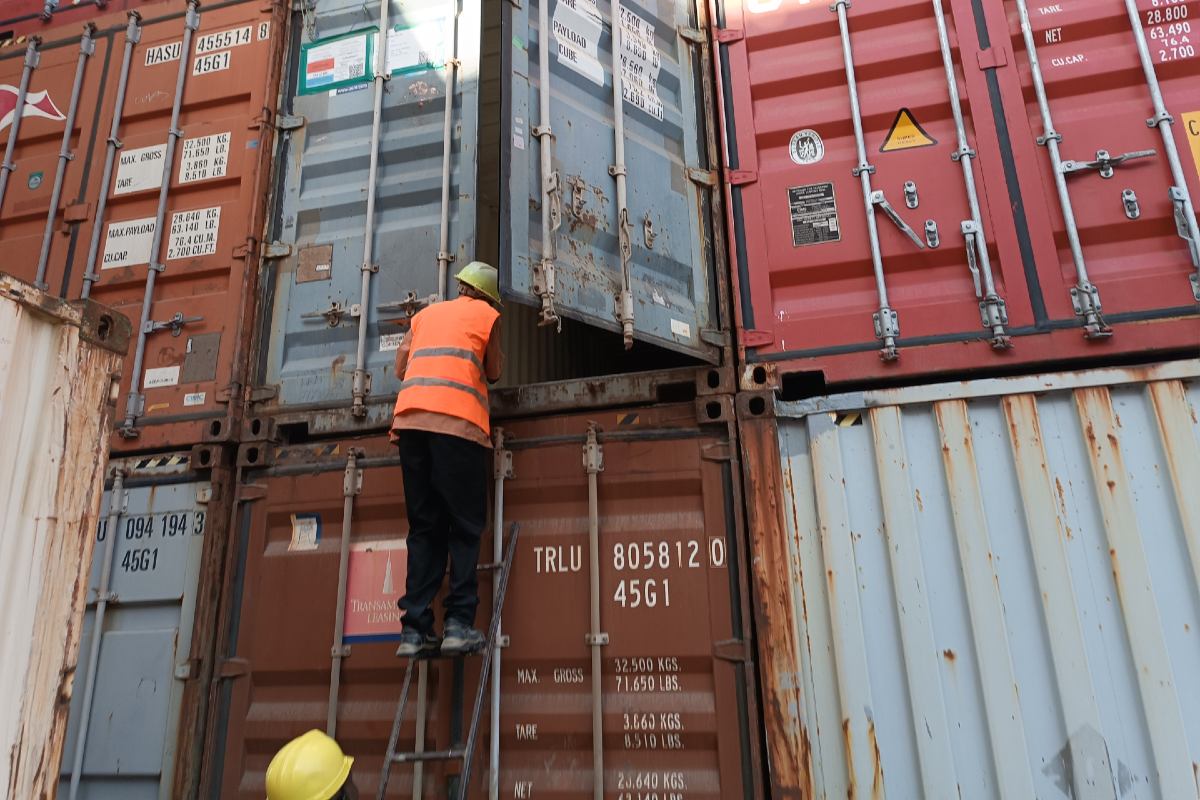
Evaluating container condition requires careful inspection of several critical factors. The structural integrity of the container frame, walls, and roof must be assessed to ensure the unit can support planned modifications and provide long-term service.
Rust inspection is particularly important in Kenya’s varied climate conditions. Surface rust can often be treated and painted, but structural rust may compromise the container’s integrity. Pay special attention to corner posts, door frames, and floor areas where water damage typically occurs first.
The container floor deserves special attention, as wooden floors may show wear, water damage, or pest infestation. Steel floors offer greater durability but may show different wear patterns. Understanding floor condition helps plan appropriate modifications and budget for any necessary repairs.
Size and Configuration Planning
Selecting appropriate container sizes requires careful consideration of intended use and available space. Single 20-foot containers work well for compact applications, while 40-foot containers provide more generous space for larger projects.
Multi-container projects offer exciting possibilities but require more complex planning. Consider how containers will be arranged, connected, and accessed. Vertical stacking increases usable space but requires additional structural support and planning approval.
Site preparation requirements vary significantly based on container size and configuration. Ensure adequate access for delivery, proper foundation preparation, and compliance with local building codes and regulations.
Legal and Regulatory Considerations
Understanding local building codes and regulations is essential before purchasing used containers for modification. Different counties in Kenya may have varying requirements for container-based construction, permits, and inspections.
Zoning regulations may restrict container use in certain areas or require specific modifications to meet residential or commercial standards. Research these requirements early in the planning process to avoid costly surprises or project delays.
Building permits may be required for container modifications, especially those involving electrical, plumbing, or structural work. Work with local authorities to understand permit requirements and ensure compliance throughout the modification process.
[IMAGE CAPTION 5: A skilled welder working on a container modification project in Mombasa, installing windows and reinforcement for a future container home, showcasing the craftsmanship involved in professional container conversions]
Container Modification Process and Costs
Planning and Design Phase
Successful container modifications begin with thorough planning and professional design. Consider how the space will be used, what utilities are needed, and how the container will integrate with its surroundings. Professional design helps optimize space utilization while ensuring structural integrity.
Budgeting for modifications requires understanding both material and labor costs. Basic modifications like adding windows and doors are relatively affordable, while complex electrical, plumbing, and HVAC systems require larger investments.
Timeline planning is crucial for container modification projects. While faster than traditional construction, modifications still require sequential steps that must be properly scheduled. Weather conditions, permit approvals, and material availability can all impact project timelines.
Essential Modifications for Habitability
Insulation represents one of the most important modifications for containers used in Kenya’s diverse climate zones. Proper insulation ensures comfort in both hot coastal areas and cooler highland regions while improving energy efficiency for heating and cooling systems.
Ventilation systems are crucial for preventing condensation and maintaining air quality. Natural ventilation through strategically placed windows and vents often suffices for basic applications, while mechanical ventilation may be necessary for more complex uses.
Electrical systems must be professionally installed to meet safety standards and local codes. Plan for adequate outlets, lighting, and any special electrical requirements for equipment or appliances that will be used in the modified container.
Professional vs. DIY Modifications
Professional modification services ensure compliance with building codes, safety standards, and quality workmanship. Experienced contractors understand the unique challenges of container modifications and can avoid common pitfalls that compromise safety or functionality.
DIY modifications can reduce costs for those with appropriate skills and tools. However, certain modifications, particularly electrical and plumbing work, should always be performed by licensed professionals to ensure safety and code compliance.
Hybrid approaches combining professional and DIY work often provide the best balance of cost control and quality assurance. Handle simple tasks like painting and basic interior work yourself while relying on professionals for complex systems and structural modifications.
Regional Considerations for Container Use in Kenya
Coastal Region Challenges and Opportunities
Kenya’s coastal region presents unique opportunities and challenges for container use. The proximity to Mombasa port ensures easy access to the used containers Kenya market, often at lower transportation costs than inland locations.
However, the coastal environment’s salt air and humidity require special consideration for container preparation and maintenance. Enhanced rust protection, proper ventilation, and regular maintenance become more critical in coastal applications.
The tourism industry along the coast has embraced container modifications for unique hospitality experiences. Beach resorts, eco-lodges, and adventure tour operators use modified containers to create distinctive accommodations that appeal to environmentally conscious travelers.
Highlands and Urban Centers
Kenya’s highland regions offer different opportunities for container use, particularly around Nairobi and other urban centers. The cooler climate reduces cooling requirements but may necessitate heating considerations in container modifications.
Urban applications often focus on commercial uses, with container modifications serving as retail spaces, offices, and restaurants in busy commercial districts. The mobility of containers allows businesses to adapt to changing urban development patterns.
Transportation costs to highland locations may be higher than coastal areas, but the concentration of modification services and skilled labor in urban centers can offset these costs through competitive pricing and service availability.
Rural and Remote Applications
Rural applications of used containers Kenya often focus on essential services like healthcare, education, and agricultural support. The ability to deliver complete, functional facilities to remote areas makes containers invaluable for rural development projects.
Agricultural applications include storage facilities, processing centers, and farm offices. Containers provide secure, weather-resistant storage for equipment, supplies, and harvested crops while offering flexibility to relocate as farming operations evolve.
Remote area projects must consider access limitations, power availability, and water access when planning container modifications. Off-grid systems, solar power, and water storage become important components of rural container projects.
Future Trends in Kenya’s Container Industry
Technological Integration
Smart home technology is beginning to appear in container modifications, with automated lighting, security systems, and climate control becoming more common. These technologies enhance the functionality and appeal of container-based living and working spaces.
Sustainable technology integration continues to grow, with solar panels, battery storage, and energy-efficient appliances becoming standard features in many container modifications. These technologies reduce operating costs while supporting Kenya’s renewable energy goals.
Communication technology integration supports remote work applications, with container offices and co-working spaces featuring high-speed internet, video conferencing capabilities, and modern communication infrastructure.
Market Growth and Development
The used containers Kenya market continues to expand as awareness grows and modification techniques improve. Increased competition among suppliers and modification services is driving down costs while improving quality and service options.
Government support for alternative construction methods and affordable housing initiatives may further boost container modification popularity. Policy changes supporting sustainable construction could provide additional incentives for container-based projects.
International interest in Kenya’s container modification industry is growing, with potential for export of modified containers to neighboring countries and knowledge transfer to other markets.
Conclusion: Embracing Container Solutions in Kenya
The used containers Kenya market represents more than just a construction alternative; it embodies a sustainable, affordable approach to addressing the country’s diverse space needs. From affordable housing to innovative commercial spaces, mobile healthcare solutions to agricultural facilities, containers offer versatility that traditional construction methods struggle to match.
Success in the container modification industry requires understanding local needs, regulatory requirements, and market conditions. Whether you’re considering a container home, planning a commercial venture, or exploring container solutions for community development, the key lies in careful planning, professional execution, and ongoing maintenance.
As Kenya continues to develop and urbanize, container modifications will play an increasingly important role in providing affordable, sustainable solutions for housing, commerce, and essential services. The combination of cost-effectiveness, durability, and environmental benefits positions containers as a crucial component of Kenya’s sustainable development future.
The used containers Kenya market offers opportunities for individuals, businesses, and communities to achieve their space needs while supporting environmental sustainability and economic development. By embracing these innovative solutions, Kenyans can build better futures while preserving resources for generations to come.