
The demand for converted shipping containers has skyrocketed across Kenya, revolutionizing how businesses and individuals approach affordable, sustainable construction. From bustling Mombasa to the heart of Nairobi, these steel giants are being transformed into homes, offices, shops, and innovative commercial spaces that serve diverse needs while offering exceptional value for money.
At Tedice Containers Ltd, we’ve witnessed firsthand how converted shipping containers have become the go-to solution for Kenyans seeking quick, cost-effective, and environmentally conscious building alternatives. Whether you’re an entrepreneur looking to establish your first shop, a family dreaming of an affordable home, or a business owner requiring additional office space, container conversion offers endless possibilities that traditional construction simply cannot match in terms of speed, affordability, and flexibility.
Understanding Container Conversion: The Kenya Perspective
Container conversion represents more than just a construction method—it’s a strategic approach to addressing Kenya’s growing infrastructure needs. When we talk about converted shipping containers, we’re discussing the process of transforming standard 20ft or 40ft steel shipping containers into functional, livable, or workable spaces that meet specific requirements while maintaining structural integrity and ensuring comfort.
The beauty of container conversion lies in its adaptability. These robust steel structures, originally designed to withstand harsh ocean conditions and heavy cargo loads, provide an excellent foundation for various applications. In Kenya’s dynamic market, we’ve successfully converted containers into restaurants along Diani Beach, mobile clinics serving rural communities, trendy retail outlets in Westlands, and comfortable residential units in developing neighborhoods.
The conversion process involves several critical steps that ensure the final product meets both functionality and safety standards. First, we assess the container’s structural condition, checking for any rust, dents, or compromises that might affect the conversion quality. Next comes the planning phase, where we work closely with clients to understand their specific needs, whether it’s maximizing natural light, ensuring proper ventilation, or incorporating specific amenities.
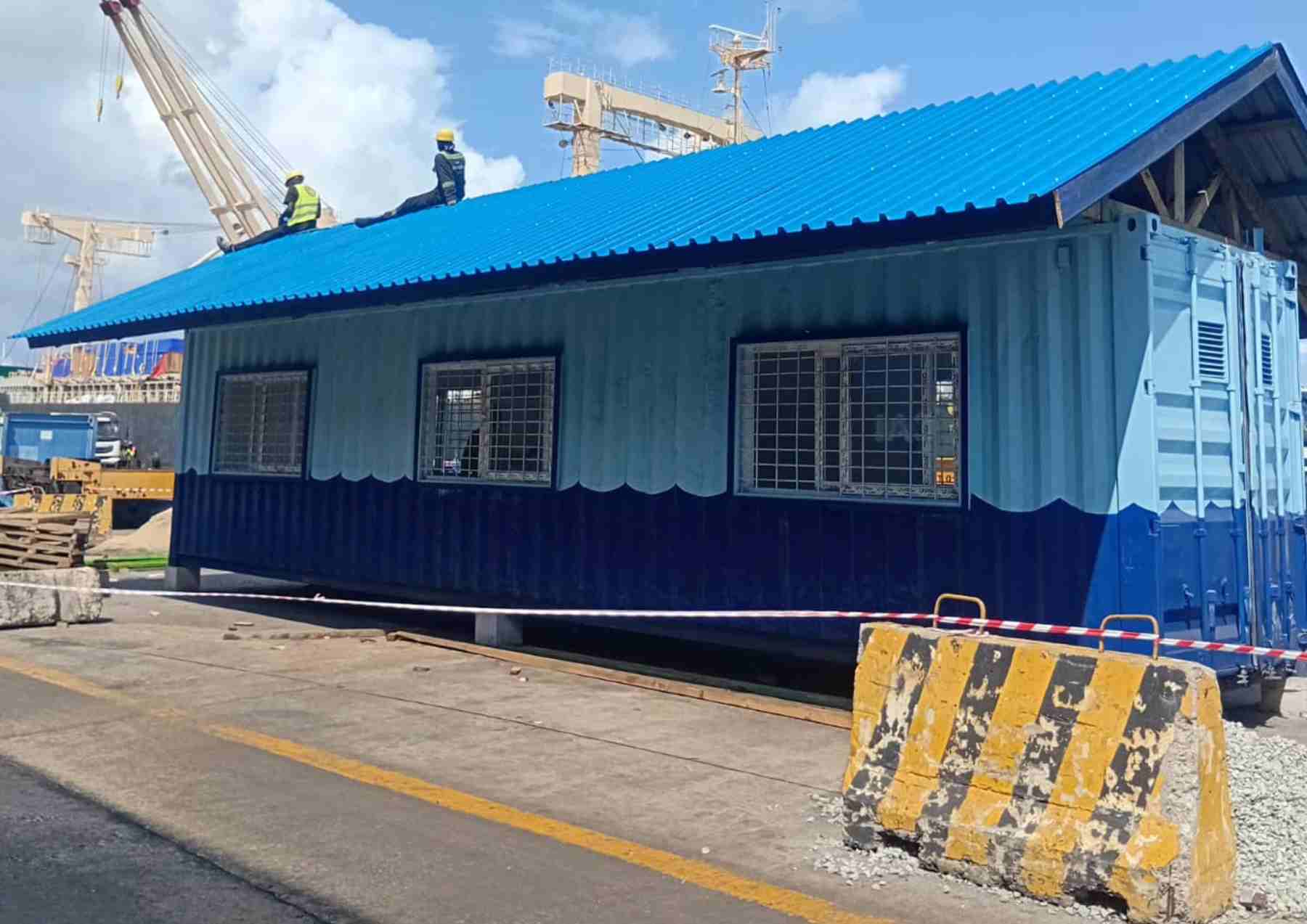
Modern container conversion in Kenya incorporates advanced insulation techniques, electrical systems that meet local standards, plumbing installations where required, and interior finishing that rivals traditional construction. The exterior can be enhanced with various cladding options, paint schemes, and architectural elements that seamlessly blend with existing structures or create striking standalone features.
The Economic Advantage: Why Container Homes Kenya Are Trending
Container homes Kenya represent a paradigm shift in affordable housing solutions. With traditional construction costs continuing to rise, many Kenyans are discovering that container homes offer exceptional value without compromising on comfort or style. A standard converted container home can cost significantly less than conventional brick-and-mortar construction while offering comparable living standards.
The economic benefits extend beyond initial construction costs. Container homes require minimal foundation work, reducing excavation and concrete expenses. The construction timeline is dramatically shorter—while a traditional home might take 6-12 months to complete, a container home can be ready for occupation within 4-8 weeks, depending on complexity and customization requirements.
Energy efficiency represents another significant economic advantage. Modern container homes incorporate high-quality insulation, LED lighting systems, and energy-efficient appliances that substantially reduce monthly utility costs. The compact design inherently promotes efficient space utilization, meaning lower heating and cooling expenses throughout the year.
Financing options for container homes in Kenya have also become more accessible. Many financial institutions now recognize container homes as viable collateral, and some specialized lending programs specifically cater to alternative construction methods. This financial recognition has opened doors for middle-income families who previously couldn’t access traditional housing finance.
Container Office Solutions: Revolutionizing Workspace Flexibility
The container office revolution has transformed how Kenyan businesses approach workspace solutions. From startups in Nairobi’s tech hubs to established companies expanding their operations, container offices provide unmatched flexibility, cost-effectiveness, and professional appeal that traditional office spaces often cannot match.
Container offices excel in situations requiring rapid deployment. When businesses need to establish presence quickly—whether for construction site management, temporary project offices, or emergency response centers—converted containers can be operational within days rather than months. This speed advantage has made container offices particularly popular among international NGOs, construction companies, and government agencies implementing rapid response programs.
The customization possibilities for container offices are virtually limitless. We’ve created everything from single-container executive offices featuring premium finishes and climate control systems to multi-container office complexes with conference rooms, reception areas, and collaborative workspaces. The modular nature allows for easy expansion—businesses can start with one container and add additional units as their teams grow.
Technology integration in modern container offices matches or exceeds traditional office buildings. High-speed internet connectivity, advanced security systems, backup power solutions, and modern communication infrastructure can all be seamlessly incorporated during the conversion process. Many clients are surprised to discover that their container offices offer better technological capabilities than their previous traditional office spaces.
Commercial Container Applications: Shops and Retail Spaces
Container shops have emerged as game-changers in Kenya’s retail landscape, offering entrepreneurs affordable entry points into business ownership while providing customers with unique, memorable shopping experiences. The versatility of converted containers allows for creative retail concepts that stand out in competitive markets.
Location flexibility represents one of the most significant advantages of container shops. Unlike traditional retail spaces tied to permanent foundations, container shops can relocate based on market demands, seasonal opportunities, or changing business strategies. This mobility has proven particularly valuable for businesses targeting tourist areas, temporary markets, or testing new locations before committing to long-term leases.
The construction timeline for container shops typically ranges from 2-4 weeks, allowing entrepreneurs to capitalize on market opportunities quickly. This speed advantage has enabled many business owners to establish operations during peak seasons, special events, or emerging market trends that would be impossible with traditional construction timelines.
Container shops also offer unique branding opportunities. The industrial aesthetic appeals to modern consumers, while the compact size encourages efficient product displays and intimate customer interactions. Many successful container shops have become Instagram-worthy destinations, naturally generating social media marketing that traditional retail spaces struggle to achieve.
Technical Specifications: Understanding Container Modifications
Professional container modification requires deep understanding of structural engineering, local building codes, and safety regulations. At Tedice Containers Ltd, we ensure every conversion project meets or exceeds Kenyan building standards while maintaining the structural integrity that makes shipping containers so reliable.
Insulation systems form the foundation of comfortable converted spaces. We utilize high-performance spray foam insulation, reflective barriers, and vapor control systems that maintain comfortable interior temperatures regardless of external weather conditions. This insulation approach prevents condensation issues that can lead to mold or structural problems in converted containers.
Electrical systems in converted containers must accommodate both standard power requirements and specialized needs like air conditioning, security systems, and modern appliances. We install dedicated electrical panels, proper grounding systems, and surge protection that ensure safe, reliable power distribution throughout the converted space.
Plumbing installations vary depending on intended use but always incorporate proper drainage, water supply, and waste management systems. For residential conversions, we install complete bathroom facilities, kitchen plumbing, and hot water systems. Commercial applications might require specialized plumbing for restaurants, medical facilities, or manufacturing processes.
Structural modifications require careful engineering to maintain container strength while accommodating doors, windows, and other openings. We use reinforcement techniques that preserve load-bearing capacity while creating the openings necessary for functional, comfortable spaces.
Sustainability and Environmental Benefits
Converted shipping containers represent sustainable construction at its finest. Each converted container represents recycling on a massive scale—transforming industrial waste into functional, beautiful spaces that serve communities for decades. This recycling approach significantly reduces the environmental impact compared to traditional construction methods.
The carbon footprint of container conversion is substantially lower than conventional building. Traditional construction requires extensive raw material extraction, processing, transportation, and waste generation. Container conversion utilizes existing steel structures, dramatically reducing the need for new materials while diverting containers from scrapyards or abandonment.
Water conservation benefits from container conversion projects are often overlooked but significant. The controlled environment of converted containers allows for efficient water systems, greywater recycling, and rainwater harvesting that traditional buildings often cannot accommodate as effectively.
Energy efficiency in converted containers often exceeds traditional buildings due to their compact size, superior insulation, and modern systems integration. Many container homes and offices achieve net-zero energy consumption through solar panel installation, LED lighting, and efficient appliances.
Location Advantages: Strategic Placement for Success
Container placement strategy can significantly impact project success, whether for residential, commercial, or industrial applications. The mobility advantage of containers allows for strategic positioning that maximizes value, accessibility, and functionality in ways that traditional construction cannot match.
Urban container projects benefit from flexible zoning compliance and reduced infrastructure requirements. Many Kenyan municipalities have streamlined approval processes for container structures, recognizing their temporary or semi-permanent nature. This regulatory advantage can save months in project timelines and thousands in permitting costs.
Rural container applications excel in areas with limited infrastructure. Container structures can operate independently with solar power, water storage systems, and waste management solutions that don’t require connection to municipal services. This independence has made containers popular for rural clinics, schools, and community centers.
Coastal applications take advantage of containers’ salt-resistant properties and hurricane-resistant construction. Along Kenya’s beautiful coastline, converted containers serve as beach restaurants, tourist accommodations, and seasonal businesses that can withstand harsh marine environments.
Design Innovation: Modern Aesthetics Meet Functionality
Contemporary container design has evolved far beyond basic industrial conversions. Today’s converted containers showcase sophisticated architectural elements, premium finishes, and innovative space utilization that rivals high-end traditional construction. The key lies in understanding how to work with container dimensions rather than against them.
Interior design in converted containers requires creative space planning that maximizes every square meter. Multi-functional furniture, built-in storage solutions, and clever lighting design can make a 20ft container feel surprisingly spacious. We’ve created container homes that feel larger than their 160 square feet through strategic design choices and optical illusions.
Exterior design possibilities are virtually unlimited. From sleek modern facades to rustic industrial aesthetics, containers can be adapted to complement any architectural style or environmental setting. Color choices, cladding materials, and landscaping integration all contribute to creating converted containers that enhance rather than detract from their surroundings.
Multi-container configurations open entirely new design possibilities. By connecting multiple containers, we can create complex floor plans, multiple levels, and specialized zones that rival large traditional buildings. These configurations are particularly popular for schools, medical facilities, and large residential projects.
Transportation and Installation: Seamless Project Delivery
Container transportation and installation represent critical project phases that can make or break conversion success. At Tedice Containers Ltd, we’ve developed comprehensive logistics solutions that ensure converted containers arrive safely and are positioned precisely according to project specifications.
Transportation planning begins during the design phase, considering route accessibility, weight restrictions, and crane requirements for final positioning. Kenya’s road infrastructure requires careful route selection, particularly when transporting containers to rural locations or congested urban areas.
Crane installation services ensure precise container placement regardless of site challenges. Our experienced crane operators can position containers in tight spaces, elevated locations, or complex configurations that might seem impossible. This precision installation capability opens up location possibilities that wouldn’t be feasible with traditional construction.
Site preparation requirements for containers are minimal compared to traditional construction. Basic leveling, utility connections, and foundation points are typically sufficient, reducing site preparation costs and environmental impact significantly.
Investment Potential: Container Properties as Assets
Converted containers have demonstrated excellent investment potential across various property markets in Kenya. The combination of low initial costs, quick deployment, and strong rental demand creates attractive investment opportunities for both individual and institutional investors.
Rental yields for container properties often exceed traditional property investments. Container offices in prime locations command competitive rental rates while requiring substantially lower initial investment. Container residential units in developing areas provide affordable housing solutions with strong rental demand and appreciation potential.
Resale value considerations for converted containers depend heavily on conversion quality, location, and maintenance. Well-converted containers in desirable locations maintain strong resale values, while the mobility advantage allows relocation to more profitable markets if necessary.
Portfolio diversification through container investments allows property investors to explore markets and locations that might be too expensive or risky with traditional construction. The lower entry costs and faster deployment enable investors to test markets and adjust strategies more quickly than conventional property development.
Quality Assurance: Ensuring Lasting Performance
Quality control throughout the container conversion process ensures lasting performance and customer satisfaction. Our comprehensive quality assurance program covers every aspect from initial container selection through final inspection and ongoing maintenance support.
Structural integrity testing verifies that all modifications maintain container strength and safety. We perform load testing, weatherproofing verification, and long-term durability assessments that ensure converted containers will perform reliably for decades.
Material quality standards for all conversion components meet or exceed industry benchmarks. From insulation materials and electrical components to plumbing fixtures and finishing materials, we source only proven, reliable products that contribute to long-term performance.
Performance warranties on our conversion work provide customers with confidence and protection. Our warranty program covers structural modifications, electrical systems, plumbing installations, and weatherproofing for periods that reflect our confidence in our work quality.
Future Trends: The Evolution of Container Applications
Container conversion technology continues evolving, with new materials, techniques, and applications emerging regularly. Smart home integration, advanced climate control systems, and sustainable energy solutions are becoming standard features in premium container conversions.
Modular construction techniques using containers are enabling increasingly complex projects. Multi-story container buildings, large commercial complexes, and entire residential communities built from converted containers are becoming reality across Kenya and globally.
Government support for alternative construction methods is growing, with some Kenyan municipalities offering incentives for sustainable construction practices. These policy changes are likely to accelerate container conversion adoption across various market segments.
Technology integration in converted containers will continue advancing, with Internet of Things (IoT) systems, advanced automation, and smart building technologies becoming standard rather than optional features.
Choosing the Right Container Partner
Selecting the right container conversion partner is crucial for project success. Experience with local conditions, regulatory knowledge, quality standards, and comprehensive service offerings all contribute to successful container conversion projects.
Technical expertise in structural engineering, electrical systems, plumbing, and local building codes ensures that converted containers meet all safety and performance requirements. Look for partners with demonstrated experience across various conversion types and applications.
Service comprehensiveness from initial consultation through ongoing maintenance support provides the best value and peace of mind. Partners who offer design services, permitting assistance, transportation, installation, and warranty support eliminate the complexity of coordinating multiple vendors.
Local market knowledge helps navigate regulatory requirements, supplier relationships, and installation challenges specific to Kenyan conditions. Partners with established local presence understand the unique aspects of container conversion in different regions across the country.
Conclusion: Your Container Conversion Journey Starts Here
Converted shipping containers represent more than just an alternative construction method—they embody a smart, sustainable, and economically sound approach to addressing Kenya’s diverse space needs. Whether you’re considering a container home in Nairobi, a container office in Mombasa, or a container shop anywhere across the country, the possibilities are limited only by imagination and local regulations.
The container conversion industry in Kenya has matured significantly, offering sophisticated solutions that rival traditional construction in comfort, functionality, and aesthetics while maintaining the unique advantages of speed, mobility, and cost-effectiveness that make containers so appealing.
At Tedice Containers Ltd, we’re committed to helping you transform your container conversion vision into reality. Our comprehensive services, from initial consultation through final installation and ongoing support, ensure your project succeeds beyond expectations. Contact us today to begin your container conversion journey and discover how these remarkable steel structures can transform your space, your business, and your life.
The future of construction in Kenya is here, and it’s built from converted shipping containers. Join the thousands of satisfied customers who have already discovered the advantages of container conversion, and experience firsthand why these innovative solutions are revolutionizing how we think about space, sustainability, and smart construction.
Ready to start your container conversion project? Contact Tedice Containers Ltd today for a free consultation and discover how we can transform your vision into reality with our expert container conversion services across Kenya.